
Safe Packaging Strategies That Protect Food and Pharmaceutical Products
- Business
Ian A. Blocker
- 0
- 13 minutes read
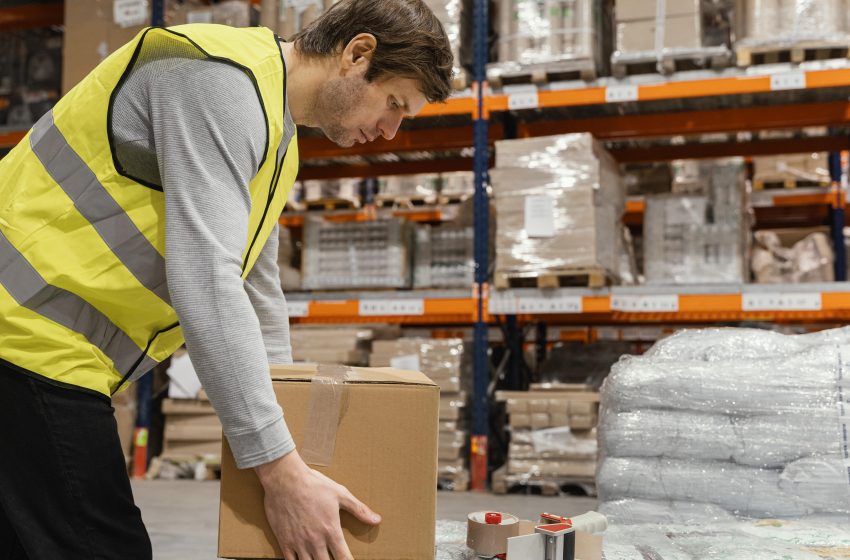
Clean handling, contamination control, and compliant packaging are critical across the food and pharmaceutical supply chain. Mistakes can put consumer health at risk, trigger expensive recalls, damage brand trust, and create major disruptions for manufacturers, distributors, and retailers. While many companies focus on fast turnaround and transport efficiency, packaging hygiene and traceable materials often decide how safely products reach the end user.
Global demand for reliable packaging continues to grow as regulatory expectations rise. The World Health Organization reports that unsafe food causes roughly 600 million cases of foodborne illness worldwide each year and nearly 420,000 deaths. The pharmaceutical sector faces equally serious risks. A single compromised shipment of medication can create nationwide shortages or force destruction of valuable stock.
Strong packaging systems are more than storage. They act as active safeguards throughout the journey from production to distribution. Understanding how to reduce contamination risk through efficient packaging choices helps supply chain teams manage compliance without sacrificing speed.
Why Packaging Hygiene Matters in Modern Supply Chains
Food and pharmaceuticals share strict hygiene and traceability requirements. Both sectors rely on packaging that protects products from microbes, moisture, chemical exposure, and physical damage. Although cardboard and wood packaging were once standard, both have limits with cleanliness and durability.
Moisture or residue can seep into absorbent materials, allowing bacteria to grow. Wood can splinter, break, and harbor pests because it has a porous surface. Damage can also introduce foreign matter into sterile environments, creating unpredictable contamination paths.
Regulatory bodies like the FDA and FSANZ promote strict cleanliness standards for contact surfaces that interact with food and medicine. Storage platforms, handling tools, and container systems must be easy to sanitize and built from materials that do not deteriorate under frequent washing and disinfection.
A packaging failure is rarely isolated. It can affect transportation partners, processing facilities, and retail operations. For businesses managing cold chain transport, the risk is even higher. Incorrect handling or contamination within just one pallet load can compromise hundreds of units.
How Packaging Choices Impact Cost and Compliance
Companies often view packaging solely as an operational cost. However, cost control and safety are directly linked in logistics. Packaging that breaks, becomes water damaged, or fails under heavy weight can cause secondary losses in several ways:
- Destroyed or contaminated product that must be discarded
- Slowdowns due to sorting and reloading damaged shipments
- Additional labor for cleaning or replacing packaging
- Regulatory penalties or forced recall actions
- Reduced shelf life due to temperature instability or exposure
A study by the Grocery Manufacturers Association found that product recalls can cost companies an average of 10 million dollars in direct expenses and up to 200 million dollars or more when including brand damage. Investing in durable and sanitized packaging helps avoid unnecessary risk while supporting predictable cost planning.
This is why many food and pharmaceutical suppliers compare long term value rather than raw purchase price. Low quality packaging appears cheaper upfront, but higher failure rates and hygiene problems often create hidden costs.
For operations requiring budget friendly options for non sterile storage or general warehousing, companies often look for cheap pallets from trusted suppliers that maintain reliable performance without forcing unnecessary spending. These options support segmentation strategies where different pallet types serve different transfer zones.
You can explore practical and economical pallet choices through suppliers offering solutions likecheap pallets for low risk applications or short term event logistics.
Choosing Safe Packaging for High Control Environments
Different parts of the supply chain have unique contamination concerns. For example, inbound ingredients need clean transfer but do not always require the same standard as sterile outbound products. Cold storage environments need materials that resist water and temperature shifts. Export shipments must meet ISPM 15 rules for wood packaging unless an alternative material is used.
Selecting safe packaging requires considering the following criteria:
1. Surface Cleanability
Materials should stand up to pressure washing, steam sanitation, and chemical disinfection. Smooth surfaces are essential to stop bacteria buildup.
2. Structural Strength
Packaging must support heavy stacking without collapsing or fracturing. Product damage from shifting loads is a frequent cause of loss claims.
3. Resistance to Moisture and Chemicals
Condensation forms easily in refrigerated or frozen transport. Materials that absorb moisture can weaken, spread mold, and cause product spoilage.
4. Traceability and Identification
Serialization, lot code tags, and trackable pallet systems help isolate problems quickly if a contamination event occurs.
5. Lifecycle Cost and Sustainability
Reusable packaging made from recyclable materials supports sustainability initiatives and reduces waste volume sent to landfill.
One common solution gaining traction is the transition to high quality plastic pallet systems. They are durable, lightweight compared to wood, and offer smooth non porous surfaces that reduce microorganism growth. Many pharmaceutical distribution centers now use plastic pallet pools exclusively for cleanroom and cold chain operations.
For teams evaluating how plastic pallet systems support cleanliness in food and pharmaceutical environments, an article offering practical insights into hygienic pallet usage is helpful. This discussion explores real benefits for sterile handling and material cleanliness in controlled environments: It highlights how safer pallet materials contribute to contamination prevention.
The Growing Role of Packaging in Sustainability and Waste Reduction
Packaging trends are influenced by environmental expectations as much as safety compliance. Landfill-heavy packaging strategies add cost and regulatory pressure, especially for companies operating across multiple countries.
Reusable pallets and recyclable packaging systems help:
- Reduce single use waste
- Lower carbon impact through fewer replacements
- Support circular logistics loops
- Improve resource forecasting
Plastic pallets can be recycled at end of life and typically last years longer than wood. Reusable systems also create consistency in pallet size, reducing loading and stacking errors.
Sustainability also improves brand perception. A 2023 survey by IBM Institute for Business Value found that nearly 50 percent of consumers are willing to pay more for environmentally responsible brands. Supply chain decisions are becoming visible to shoppers who increasingly read packaging labels and seek transparency on how products reach them.
The Link Between Traceability and Consumer Trust
Digital tracking systems and serialized pallet tagging allow businesses to monitor product movement in real time. Combining hygienic packaging with traceability technology enables rapid response when something goes wrong. Instead of broad recalls, companies can isolate a specific temperature breach, lot number, or single distribution center.
Advanced packaging strategies support:
- Automated temperature logging for cold chain shipping
- Cleaner handoffs during processing and distribution
- Organized warehouse segmentation
- Better collaboration between manufacturers and retail partners
- Higher customer confidence
Industries that manage prescription medication and high risk ingredients depend on strong chain of custody documentation. Packaging directly affects data accuracy because poorly designed systems can cause scanning errors or label loss during transport.
Managing Packaging Systems Across Multiple Locations
Multi site operations rely on standardization. Switching between packaging types at different locations can create inconsistencies in capacity planning, stacking rules, forklift spacing, and hygiene standards.
Centralized packaging planning should include:
- Uniform pallet sizes across all warehouses
- Clear cleaning and inspection routines
- Regular load capacity testing
- Zone controlled pallet usage policies to separate sterile and non sterile areas
- Staff training on maintenance and lifecycle care
A controlled pallet pool reduces guesswork and supports lean operations.
Best Practices for Improving Packaging Hygiene and Performance
Organizations looking to improve supply chain safety often begin with a review process that outlines:
Facility Assessment
Measure cleaning frequencies, pallet lifespan, contamination sources, and material handling procedures.
Material Selection
Match pallet types with risk level and regulatory obligations for each zone.
Return Flow Management
Reuse systems must ensure items return clean and trackable.
Compliance Documentation
Maintain logs of sanitation, batch separation, and pallet inspection findings.
Partner Standards
Require logistics providers to use compliant packaging throughout every contract period.
Even small adjustments can drastically reduce contamination risk. Switching from wood to plastic pallets in a single cold warehouse can prevent rot, mold absorption, and water pooling.
Looking Ahead: Safer and Cleaner Logistics
Future packaging innovations focus on antimicrobial materials, pallet tracking sensors, and automated sanitation systems. Both food and pharmaceutical companies will continue to adopt reusable packaging and digital monitoring tools. Partnerships between manufacturers, packaging suppliers, and logistics providers will shape how safely products reach consumers.
Investment in proper packaging strengthens supply chain reliability and public trust. Choosing cleanable, reusable, and traceable packaging is no longer optional. It is a core component of responsible operations.
Companies that plan packaging strategies proactively protect their brand, reduce avoidable waste, and maintain safe product delivery. Clean packaging supports safer communities and stronger industry reputation.
Stronger packaging decisions today build a safer distribution network tomorrow.
