
Exploring Color Combinations That Make Fusible Glass Art Stand Out
- Business
Clare Louise
- 0
- 4 minutes read
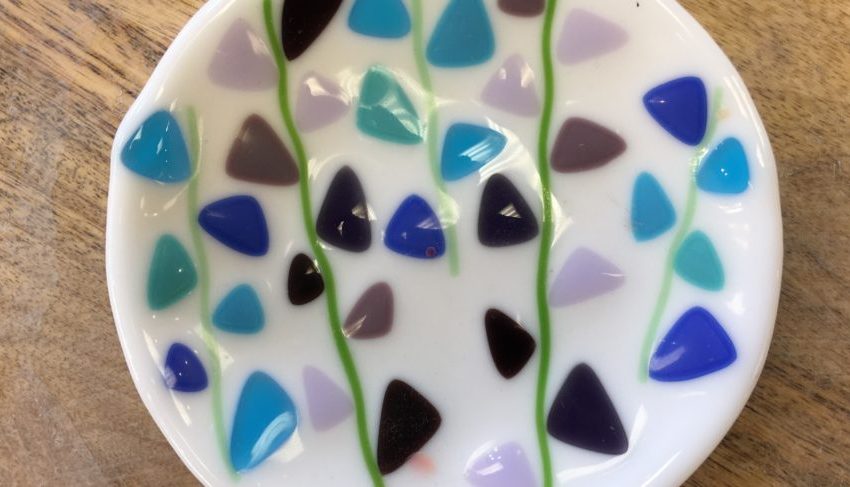
Careful selection of shades changes how light travels through layered pieces. Artists often begin by studying tone balance before arranging sheets inside a kiln. Quality materials also influence the clarity of color. Many creators trust Hollander glass art suppliesbecause reliable glass sheets help maintain steady tone results during heating. Thoughtful planning of shade pairing helps every handmade panel glow with depth. When transparent layers meet balanced tones, the finished piece gains a stronger visual character that draws attention in studios, galleries, or decorative spaces.
Color Harmony Basics
Careful color pairing helps transparent material glow through light while layered tones create depth that attracts attention during display or decorative projects using well-prepared sheets for a striking visual impact.
Balanced Warm And Cool Shades
Mixing warm tones with cool shades creates visual balance within layered glass surfaces because contrast guides the eye across patterns while light passing through panels increases brightness.
Layering For Visual Depth
Stacking transparent pieces with softer tones builds gentle depth inside fused designs, which helps shapes appear richer while light movement reveals subtle color shifts.
Contrast For Strong Patterns
High contrast shade pairing helps details stand out clearly during kiln firing because big differences between tones guide attention toward shapes, textures, and borders.
Soft Blends For Calm Designs
Soft transitions between related shades produce calm-looking panels where gradual shifts allow light to travel smoothly across the surface without harsh visual breaks.
Transparent And Opaque Balance
Combining clear glass layers with opaque tones builds depth because light passes through one layer while solid shades frame patterns that strengthen the overall composition.
Modern Minimal Tone Pairing
Minimal color palettes remain popular among makers because simple tone groups allow shapes and texture layering to guide attention rather than crowded shade choices.
Testing Small Samples
Artists often test small fused samples before completing a large panel because early trials reveal how tones react during heat changes.
Thoughtful tone planning helps makers transform simple sheets into striking visual pieces that capture attention through light reflection and texture layering. Balanced shade selection strengthens artistic control while reducing unexpected results during heating. Clear preparation methods guide creators toward stable outcomes even when experimenting with new palettes. Consistent materials also play a large role in maintaining tone clarity across finished work. Many creators continue using Hollander glass art suppliesbecause dependable sheets support reliable results during repeated kiln projects. When tone harmony meets stable materials, every crafted panel displays a stronger visual presence that reflects patience and planning skill.
FAQs
What helps glass tones appear brighter after firing?
Balanced shade layering with proper transparency allows light to travel through the panel, which increases brightness after kiln heating.
Why do artists test small pieces first?
Testing small samples shows how tones react during heat exposure, which helps creators avoid unwanted results.
