
How British Traders Stay Ahead in Fast-Moving Financial Markets
- Finance
Jenny Louria
- 0
- 6 minutes read
In today’s financial world, speed, adaptability, and insight are crucial for traders looking to stay ahead. British traders, in particular, operate in an environment shaped by global markets, technological innovation, and shifting economic policies. From London’s historic financial hubs to emerging digital trading platforms, the landscape demands not only skill but also the ability to respond to market movements in real time. Understanding how these traders navigate such complexity provides valuable lessons for anyone interested in the world of finance.
The rapid pace of modern markets has created both challenges and opportunities. Volatility can be intimidating, yet it also opens doors for those who are prepared. Traders who thrive do so by combining careful analysis, disciplined risk management, and smart utilisation of technology. Whether managing stocks, currencies, or commodities, they rely on more than instinct; they rely on systems, strategies, and insights that allow them to act decisively when markets shift.
Leveraging Technology for Competitive Advantage
Technology has transformed trading from a human-centric endeavour into a highly data-driven practice. British traders increasingly rely on sophisticated software tools and algorithmic platforms to monitor market trends and execute trades. Real-time data feeds, automated trading systems, and AI-driven analytics provide a level of precision that was unimaginable a decade ago. By harnessing these tools, traders can spot emerging opportunities, assess risks, and make informed decisions within seconds.
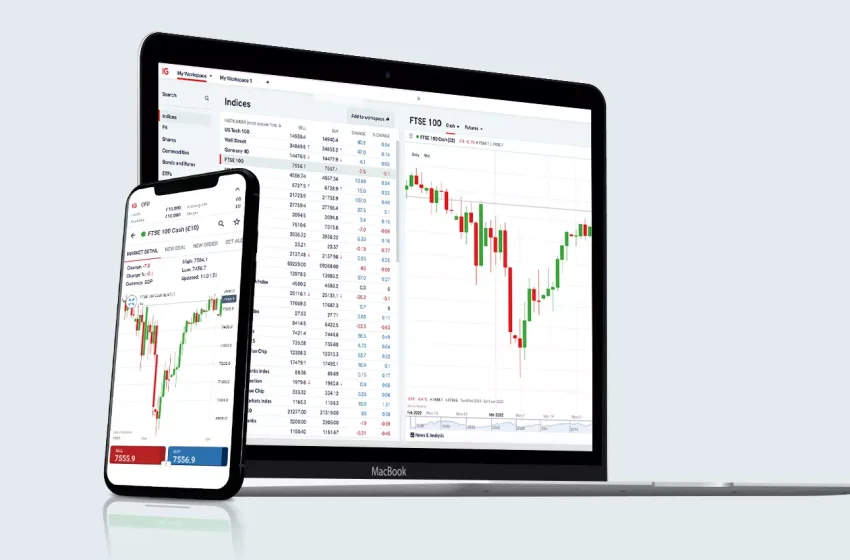
The integration of technology also extends to mobile and cloud-based platforms, allowing traders to access markets from virtually anywhere. This mobility ensures that opportunities are not missed due to geographic limitations. Many traders use platforms that combine analytical dashboards, customizable alerts, and secure transaction capabilities. Those interested in exploring advanced trading platforms can click here to access resources that offer both breadth and depth in market coverage.
Developing a Resilient Mindset
While tools and technology are vital, the mindset of a trader is equally important. British traders often emphasise psychological resilience as a cornerstone of success. Financial markets can be unpredictable, and the ability to remain calm under pressure distinguishes experienced traders from novices. Maintaining discipline, sticking to pre-defined strategies, and avoiding emotional reactions are practices that protect both capital and confidence.
Resilience also involves embracing continuous learning. Traders study economic indicators, monitor geopolitical developments, and review historical market behaviours to refine their strategies. This commitment to ongoing education allows them to anticipate potential shifts and adjust their approach proactively. In fast-moving markets, being mentally prepared can be as critical as having the right tools at one’s disposal.
Risk Management and Strategic Planning
Effective risk management is another defining feature of successful British traders. Markets are inherently uncertain, and the potential for loss is ever-present. Traders use a combination of diversification, position sizing, and hedging to mitigate exposure while pursuing profit opportunities. This approach is not about avoiding risk entirely but rather about managing it intelligently.
Strategic planning extends beyond individual trades to encompass portfolio construction and long-term objectives. By setting clear goals and establishing parameters for acceptable risk, traders ensure that they can navigate volatile conditions without jeopardising their broader financial ambitions. This methodical approach allows them to capitalise on high-probability opportunities while protecting against unexpected downturns.
Staying Informed and Connected
Information is the lifeblood of trading. British traders benefit from a well-established financial infrastructure that includes access to economic reports, market research, and professional networks. Staying informed about macroeconomic trends, central bank policies, and industry developments enables traders to anticipate shifts and respond effectively. Additionally, many traders participate in professional communities, forums, and workshops to exchange ideas and insights, enriching their understanding of market dynamics.
Global connectivity also plays a role in keeping traders ahead. International news, cross-border investments, and real-time communication channels mean that developments in one part of the world can influence decisions thousands of miles away. By integrating this global perspective, traders enhance their situational awareness and are better positioned to identify emerging opportunities before they become mainstream.
Adapting to Regulatory and Market Changes
Financial markets are subject to continuous evolution, influenced by regulatory reforms, technological advances, and economic fluctuations. British traders must navigate not only market complexity but also compliance requirements. Staying abreast of regulatory changes ensures that trading practices remain lawful and sustainable, reducing the risk of penalties or operational disruptions.
Adaptability is equally critical when market conditions shift unexpectedly. A trader’s ability to pivot strategies, explore alternative instruments, or adjust timelines can make the difference between profit and loss. By combining regulatory awareness with tactical flexibility, British traders maintain their edge even in periods of uncertainty.
Conclusion
Staying ahead in fast-moving financial markets requires a multifaceted approach. British traders combine technology, a disciplined mindset, strategic risk management, and informed analysis to navigate the complexities of modern markets. They embrace both the opportunities and challenges presented by volatility, adapting to changes with resilience and foresight.
For anyone seeking to enhance their trading capabilities, learning from the practices of experienced traders offers invaluable guidance. Whether through technological platforms, market education, or disciplined strategy, the path to success is rooted in preparation and adaptability.
