
Why Collapsible Shipping Containers Are Transforming Global Logistics
- Business
Ian A. Blocker
- 0
- 4 minutes read
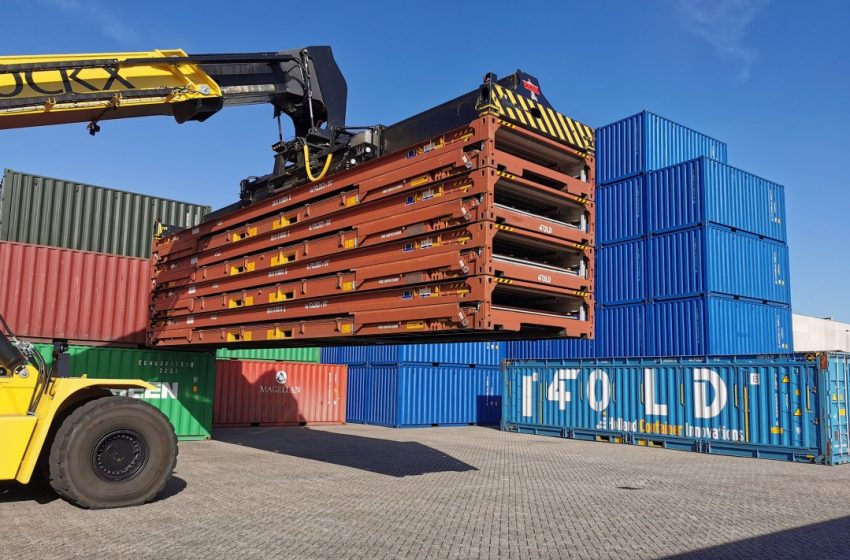
Moving large goods across supply chains often requires packaging that saves space, protects materials, and supports repeated use. Many organizations now prefer collapsible bulk containers with lids because they reduce empty storage volume and help organize materials during transport. Modern supply networks need packaging that supports efficient storage, smooth handling, and consistent protection during movement between warehouses and production areas. Reusable container designs provide an organized method for carrying items safely while reducing excess packaging waste.
Efficient Storage Space Management
Foldable container structures reduce the unused storage area after unloading goods. Collapsed units stack neatly, allowing facilities to manage storage capacity better while keeping packaging organized during daily handling operations.
Better Protection For Stored Materials
Secure lids protect materials from dust, moisture, and external contact during movement or storage. Strong container walls reduce damage risk while maintaining consistent protection throughout loading, stacking, handling, and transfer operations.
Lower Return Transport Costs
Empty containers usually occupy a large storage volume during return trips. Foldable container structures reduce unused space, allowing transport units to carry more returns while lowering overall operational transport expenses.
Improved Handling Within Facilities
Warehouse teams benefit from container systems designed for stable stacking and easy lifting. Structured containers maintain shape during movement, making internal handling smoother during loading, sorting, storage, and dispatch operations.
Supports Organized Supply Chains
Consistent packaging solutions help operations remain structured across multiple handling stages. Standard container dimensions support smoother coordination between production, storage areas, and distribution processes within supply networks.
Key Features Businesses Value
Organizations prefer packaging systems that improve storage control, support safety, and reduce operational challenges during large-scale movement.
- Foldable container frames allow compact stacking when empty, saving storage space inside facilities and transport units.
- Durable construction materials maintain container shape during repeated loading cycles while supporting long operational use.
Supply systems continue evolving toward smarter packaging solutions that improve efficiency while reducing waste. Many operations now rely on collapsible bulk containers with lids to manage storage planning and material protection during large volume transport. These containers support organized handling, better space use, and safer movement between facilities. Businesses looking forconsistent packaging methods increasingly select reusable folding containers because they balance durability, storage efficiency, and ecological responsibility.
FAQs
What are collapsible containers used for?
They store and move bulk goods safely while saving storage space after unloading through foldable container structures.
Why do industries prefer reusable containers?
Reusable containers reduce packaging waste, lower operational costs, improve storage control, and support consistent material handling systems.
How do lids help in container storage?
Lids protect stored materials from dust, moisture, and external contact while maintaining safe stacking during storage.
