
What to Look for in SOLIDWORKS Software Before Expanding Your Engineering Team
- Tech
Clare Louise
- 0
- 5 minutes read
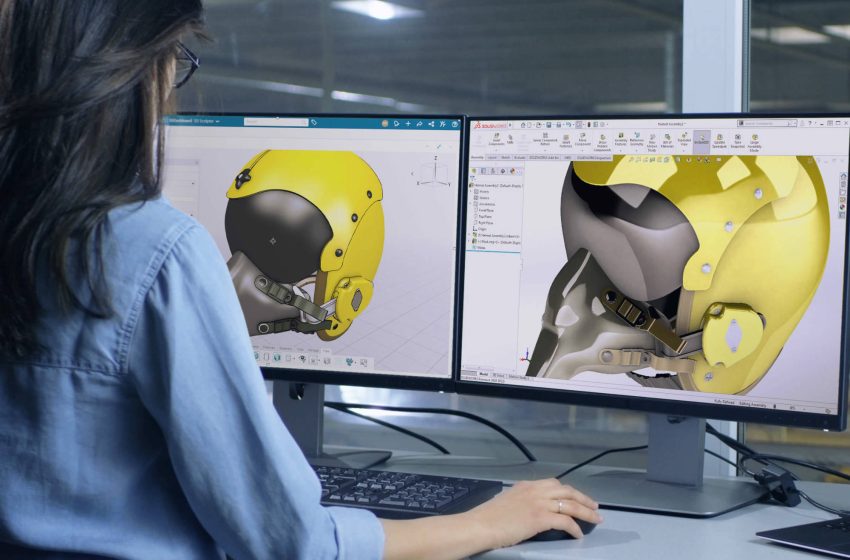
Expanding an engineering team is an exciting step, but growth can quickly expose weaknesses in your current tools and processes. A setup that works for two or three designers may become difficult to manage when more users, more projects, and tighter deadlines enter the picture. That is why companies should evaluate their solidworks software carefully before hiring additional engineers.
The goal is not simply to add more seats. It is to make sure solidworks can continue supporting productivity, collaboration, and design quality as the team grows.
Think Beyond Basic Design Needs
When businesses are still small, they often focus on immediate design tasks. As the team expands, however, software must support more than modeling alone. More people mean more revisions, more shared files, and more opportunities for confusion if the workflow is not structured properly.
Before growing your team, ask whether your current solidworks software setup can handle increasing complexity. Can it support larger assemblies, more detailed documentation, and a growing volume of design changes without slowing everyone down? If not, expansion may create friction instead of efficiency.
Evaluate Collaboration and File Control
One of the biggest challenges that comes with team growth is coordination. Engineers need to work from accurate, up-to-date design information. If files are scattered across folders, naming conventions are inconsistent, or revision status is unclear, even talented teams can lose time and make avoidable mistakes.
This is why collaboration and file control should be part of the conversation. A growing team needs a solidworks environment that makes sharing, reviewing, and updating design data more reliable. Without that foundation, hiring more engineers can actually increase workflow problems instead of solving them.
Consider User Experience and Onboarding
Growth also means bringing in people with different experience levels. Some may already know solidworks, while others may need more support to become fully productive. Before expanding, it is worth considering how easy your solidworks software setup is to learn and how well it supports consistent working methods across the team.
A strong system should help new users adapt quickly without creating confusion for experienced staff. If onboarding is too informal, each engineer may develop different habits, making collaboration harder over time.
Make Sure the Software Can Grow with the Business
Hiring more engineers usually signals broader business growth. New products, more customers, and higher expectations often follow. That means your software should not only support a larger team today, but also give you room to improve workflows tomorrow.
When evaluating solidworks software, think about scalability. Will it continue supporting your needs as projects become more complex? Will it help the business stay efficient as collaboration becomes more demanding? Those questions matter just as much as the number of licenses.
Final Thoughts
Before expanding your engineering team, take a close look at how your current solidworks setup supports collaboration, control, and long-term growth. The right solidworks software should do more than help engineers design. It should help the entire team work together more effectively as the business moves into its next stage.
