
4 Benefits of Using a Wooden Case for Export and International Shipping
- Business
Ian A. Blocker
- 0
- 6 minutes read
Key Highlights
- Timber packaging provides unparalleled structural strength to safeguard heavy or fragile goods during long-haul transit.
- Custom-built wooden cases ensure items are immobilised, reducing the risk of internal damage caused by shifting.
- International compliance with ISPM 15 standards ensures that wooden packaging moves smoothly through global customs checkpoints.
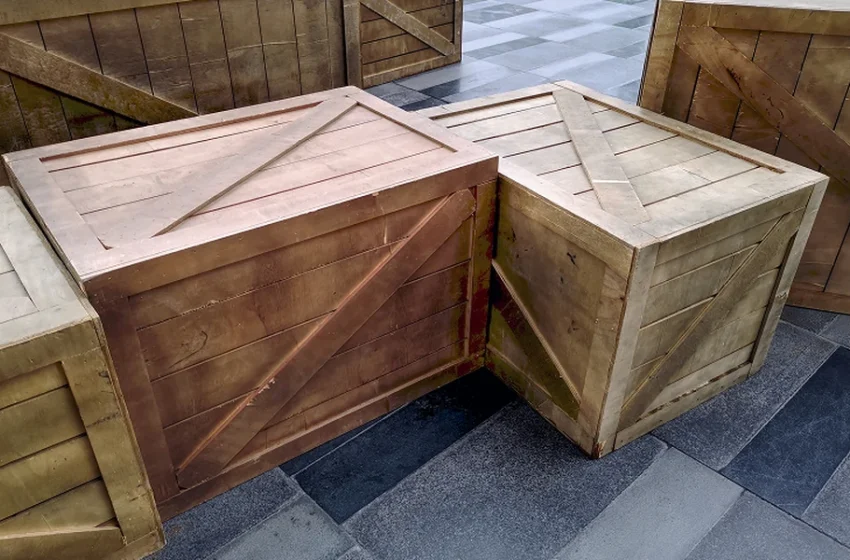
- Wooden crates offer a stackable and durable solution that optimises space within shipping containers and logistics transport vehicles.
Introduction
In international trade, the safety of goods during transit remains a primary concern for manufacturers and exporters. Selecting the right packaging material is not merely a logistical detail but a critical strategic decision that impacts the entire supply chain. While various synthetic materials have entered the market, the traditional wooden case remains the gold standard for heavy-duty export. Its natural resilience and adaptability make it an essential component for any business involved in global commerce. By choosing timber-based solutions, companies can ensure that their products arrive at their destination in pristine condition.
1. Superior Physical Protection and Structural Integrity
The primary role of any export packaging is to withstand the rigours of mechanical handling. A well-constructed wooden case offers a high strength-to-weight ratio, allowing it to support significant loads while remaining relatively easy to move. Unlike cardboard or thinner plastic alternatives, timber does not easily buckle under pressure. This structural integrity is vital when shipping heavy machinery, delicate electronics, or high-value industrial components that require a rigid exterior to prevent crushing or impact damage.
Furthermore, timber provides excellent natural shock absorption. During various stages of logistics transport, cargo is subjected to jolts from cranes, forklifts, and the movement of the vessel. The cellular structure of wood helps to dampen these vibrations, protecting the internal contents from hairline fractures or mechanical failure. When combined with internal cushioning or blocking and bracing techniques, a wooden exterior ensures the cargo remains completely stationary throughout its journey across oceans or continents.
2. Full Customisation for Unique Cargo Requirements
One of the greatest advantages of using a wooden case is the ability to tailor its dimensions and internal features to the specific item being shipped. Every piece of industrial equipment has unique pressure points and fragile sections. A bespoke timber solution allows for the inclusion of custom saddles, foam linings, or moisture barriers that fit the product like a glove. This level of precision is difficult to achieve with mass-produced plastic containers or standard-sized boxes.
In addition to size customisation, timber cases can be modified to include features such as inspection hatches, handles, or reinforced bases for pallet jack entry. This flexibility facilitates easier handling for warehouse staff and customs officials alike. When a package is easy to handle, the likelihood of accidental drops or improper lifting significantly decreases. For businesses dealing with irregularly shaped or oversized items, the custom nature of timber packaging is an indispensable asset in maintaining a smooth flow of goods.
3. Compliance with International Shipping Standards
International shipping is governed by strict regulations designed to prevent the spread of pests and diseases across borders. The ISPM 15 (International Standards for Phytosanitary Measures No. 15) requires all wood packaging materials to be heat-treated or fumigated. Because the wooden case is a globally recognised packaging medium, professional manufacturers are well-versed in these requirements. Using certified timber ensures your cargo will not be delayed, quarantined, or sent back at the destination port.
Compliance is a vital aspect of modern logistics transport, as any delay in customs can result in significant financial losses and strained client relationships. Timber packaging that bears the official IPPC mark provides immediate assurance to port authorities that the materials are safe for entry. This universal recognition streamlines the administrative side of exporting, allowing businesses to focus on their core operations rather than navigating the complexities of varying national packaging laws.
4. Cost-Effectiveness and Sustainability in Transport
While the initial focus of packaging is often protection, the long-term cost implications are equally important. Wood is a renewable resource that is often more cost-effective than specialised composite or metal containers. Additionally, because wooden cases are incredibly durable, they can often be repurposed or recycled at the end of their primary journey. This circularity appeals to modern companies looking to reduce their environmental footprint while managing their bottom line.
The stackability of timber crates also contributes to cost savings. Because a wooden case can support vertical pressure, multiple units can be stacked safely inside a shipping container or a warehouse. This maximises the available volume in every shipment, effectively lowering the transport cost per unit. When space is optimised in logistics transport, the overall efficiency of the supply chain improves, leading to faster delivery times and reduced fuel consumption across the transport network.
Conclusion
Selecting the right packaging is a fundamental step in ensuring the success of any export-oriented business. The wooden case continues to prove its worth by offering unmatched protection, versatility, and regulatory compliance. Whether you are shipping heavy industrial parts or sensitive equipment, the natural strength of timber provides the peace of mind that your assets are secure. By integrating these robust solutions into your shipping strategy, you can overcome the challenges of global transit and maintain a reputation for reliability and quality.
Contact Sin Chew Woodpaq to secure your international shipments with the most reliable packaging solutions.
