
The Hidden Challenges of Running a Successful Coworking Space
- Business
Irene Snipes
- 0
- 7 minutes read
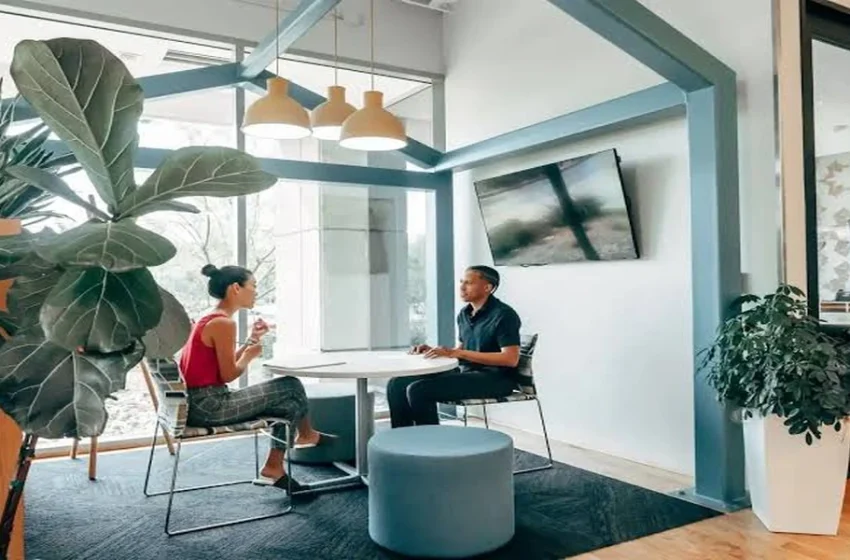
Coworking spaces have changed the way people think about offices. Freelancers, startups, remote employees and established businesses can now work from flexible environments without committing to traditional long-term leases.
For operators, however, creating a successful shared workspace involves more than providing desks, meeting rooms and good coffee.
Members expect a professional environment where they can work without interruptions. That means reliable technology, suitable facilities and enough flexibility to accommodate people with very different requirements.
Getting these fundamentals right can make a significant difference to the experience members have.
Every Member Has Different Expectations
One of the biggest challenges facing coworking operators is the variety of people using the same space.
A freelance designer may regularly upload large files, while a consultant could spend much of the day attending video meetings. A small business might have several employees accessing cloud applications simultaneously.
These activities place different demands on the workspace.
Operators need to consider how members use the facilities rather than assuming everyone requires the same working environment.
Connectivity Can Influence Member Satisfaction
Reliable internet is one of the most important services a coworking space provides.
Members often depend on online platforms to communicate with clients, access documents and complete their daily work. Even short interruptions can affect productivity, particularly during meetings or time-sensitive projects.
For operators exploring coworking internet solutions, the priority should be providing consistent performance across the premises, even when occupancy levels change throughout the day.
A connection that performs well when only a few desks are occupied may struggle when the building is full.
Shared Spaces Need Careful Network Planning
Coworking environments can be more complicated than conventional offices because so many independent users share the same infrastructure.
Members may connect several devices, including laptops, smartphones and tablets. Meeting rooms, printers and other connected equipment add further demand.
The building layout also matters.
Private offices, communal desks and meeting rooms may be spread across multiple floors, creating different coverage requirements.
Planning around the physical space and expected usage can help operators avoid areas where connectivity becomes unreliable.
Privacy Should Never Be Overlooked
People working in coworking spaces often handle confidential information.
Accountants, solicitors, consultants and other professionals may regularly access sensitive documents or communicate with clients about private matters.
Although members share a building, they should not necessarily share access to one another’s devices or internal business systems.
Appropriate network separation and access controls can help create a more secure environment.
Operators should also consider how visitors connect to the internet without unnecessarily exposing member networks.
Meeting Rooms Are More Important Than Ever
Video conferencing has become an essential part of modern working life.
Coworking members may regularly book meeting rooms to speak with customers, colleagues or potential investors. These spaces need to support reliable video calls alongside presentations and other online activities.
Poor connectivity during an important meeting can create frustration and reflect negatively on the workspace.
Providing suitable technology and dependable connections in meeting areas can therefore improve the overall member experience.
Flexibility Creates Operational Challenges
One of the main attractions of coworking is flexibility.
Members may book desks for a single day, rent private offices for several months or increase their space as their business grows.
For operators, this means occupancy and technology requirements can change frequently.
A workspace might be relatively quiet on Monday but close to capacity by Wednesday.
Infrastructure needs to accommodate these fluctuations without requiring constant adjustments whenever new members arrive.
Technology Should Be Easy to Manage
Running a coworking space involves numerous responsibilities, from facilities management and customer service to billing and membership administration.
Network management should not become another unnecessary complication.
Operators benefit from understanding how their infrastructure is performing, where problems are occurring and whether additional capacity may be required.
Providers such as UK Cloud work with businesses looking for connectivity services suited to their operational requirements.
Having appropriate technical support can help workspace operators concentrate on providing a good experience for members.
Small Details Can Influence Renewals
Members often judge a workspace through their everyday experiences.
Comfortable seating, clean facilities and convenient meeting rooms all contribute to satisfaction. Reliable connectivity is equally important, even if it receives less attention when everything is working properly.
Repeated technical problems can gradually undermine confidence in a workspace.
Conversely, an environment where members can arrive, connect their devices and begin working without difficulty creates a more professional impression.
These practical details can influence whether someone chooses to renew their membership or recommend the space to others.
Planning for Future Growth
Successful coworking spaces may eventually expand into additional floors, buildings or locations.
This can introduce new demands on connectivity, security and technology management.
Considering future requirements during the initial planning stage can make expansion easier.
Operators should periodically review network performance, member feedback and occupancy patterns to understand whether existing infrastructure remains suitable.
Creating a Workspace People Want to Return To
A successful coworking space needs to balance flexibility with consistency.
Members may work for different businesses, follow different schedules and use different technology, but they share an expectation that the environme
