
Choosing the Right Sealant for Long-Lasting Protection Across Different Surfaces
- Construction
Clare Louise
- 0
- 5 minutes read
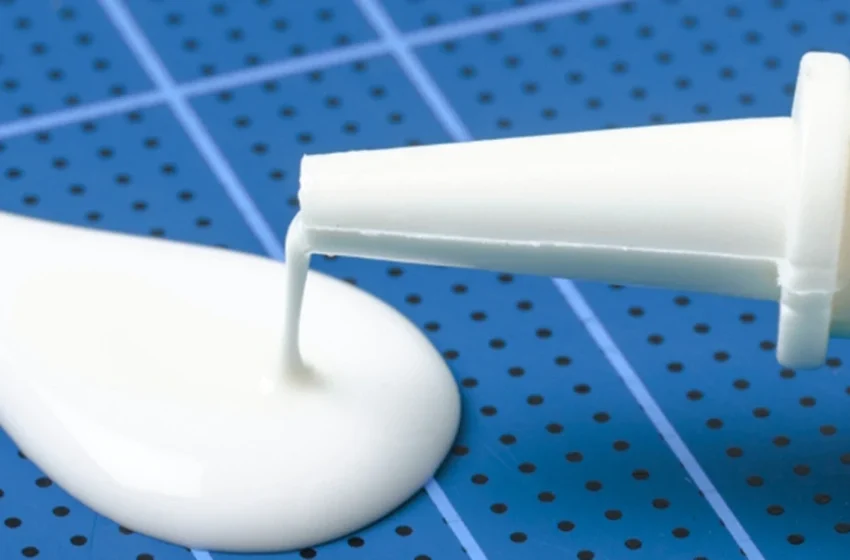
Water entry causes significant structural decay in modern property management. Selecting proper shielding materials safeguards foundational integrity over many years. Varying conditions alter how barrier layers function under physical stress. Industry experts rely on modern sealants to block moisture migration completely. Eliminating small gaps maintains structural defense throughout changing seasonal cycles. Quality choices eliminate standard degradation problems before they manifest.
Material Varieties Offer Specific Defense
Different chemical bases provide distinctive strengths for structural junctions. Some formulations maintain excellent elastomeric properties during heavy freeze cycles. Other options deliver robust adhesion metrics on dense mineral substrates. Picking the right polymer type ensures continuous joint isolation.
Surface Analysis Determines Bond Strength
Porous materials require specific priming to guarantee absolute attachment. Non-porous substrates necessitate thorough chemical cleaning before product application. Disregarding base composition leads directly to premature barrier delamination. Proper preparation ensures long term adherence across multiple building sections.
Primary Selection Indicators for Substrates
Correct compound application requires evaluating specific physical characteristics beforehand. Properties change depending on chemical composition and curing mechanisms.
· Elastomeric silicone products accommodate significant mechanical joint movement.
· Polyurethane variations provide high puncture resistance for foot traffic.
· Water-based acrylic options allow clean finishing for indoor trim.
· Hybrid compounds combine rapid curing with excellent weather endurance.
· Chemical formulation dictates the ultimate lifecycle of the installation.
· Primer application increases adhesion on tricky decorative metal elements.
· Correct depth ratios prevent excessive stress inside working joints.
· Proper tooling removes internal air pockets during installation.
Temperature Resistance Controls Joint Longevity
Thermal fluctuations force continuous movement along structural building joints. Materials must tolerate intense UV rays without shrinking or showing brittleness. High-heat environments alter curing speeds during standard field operations. Choosing weather-resistant sealants guarantees structural stability under intense sunlight.
Which Environmental Triggers Hasten Material Breakdown?
Persistent moisture exposure softens inferior joint fillers over short durations. Continuous ozone contact destroys chemical polymer chains within standard building compounds.
High-movement zones require high elasticity ratings to prevent tearing. Standard applications fail when joint shifts exceed maximum product extension capabilities.
Application Tools Require Precise Handling
Professional installers use specialized guns to distribute material evenly. Maintaining a steady angle ensures complete cavity filling without voids. Clean cuts on the nozzle tip determine smooth bead sizing.
Informational Protection Inquiries
· How long do modern industrial joint barriers take to dry completely? Most professional-grade products achieve full cure within forty-eight hours.
· What method removes old stubborn residue from delicate building substrates? Mechanical scraping combined with mild chemical solvents clears the joint effectively.
· When should inspectors check structural joints for visible degradation signs? Biennial assessments identify small hairline cracks before leaking occurs.
· Do humid environments alter the chemical drying timeline for options? Excessive atmospheric moisture delays the skinning process of polyurethane varieties.
· Can users paint directly over cured silicone joint protection barriers? Standard silicone repels paint layers, causing immediate flaking after application.
Substrate Compatibility Reference Metrics
Every unique surface demands specific chemical traits for lasting adhesion. Neglecting these metrics shortens the lifespan of protective building joints.
Joint Preparation Enhances Shielding Continuity
Removing loose particles ensures perfect contact with structural joint walls. Solvents clear hidden grease layers that block chemical bonding processes. Backer rods control the depth of material during manual installation.
Consistent Application Execution
Achieving durable structural protection requires steady attention to application variables. Real longevity comes from choosing correct materials for specific environmental challenges. Consistency during surface preparation yields superior results compared to rushed installations. Structural safety depends entirely on deliberate execution and correct material implementation. Permanent joint security remains a continuous process of smart maintenance choices.
