
Metal Fabrication Techniques and Their Industrial Applications
- Industry
Clare Louise
- 0
- 5 minutes read
Key Takeaways
- Metal fabrication supports industries through precision cutting, forming, welding, and assembly processes.
- Advanced fabrication techniques improve product quality, efficiency, and consistency.
- Integrated manufacturing services help businesses streamline production and reduce operational complexity.
- Disc Precision Group – Singapore provides customised fabrication and manufacturing solutions for diverse industrial needs.
Introduction
From electronics and medical devices to automation equipment and industrial machinery, metal components are at the heart of modern manufacturing. Behind these products lies a highly specialised process known as metal fabrication. It transforms raw metal materials into functional parts and assemblies that meet exact specifications.
As industries continue to demand greater precision, shorter lead times, and dependable quality, businesses increasingly rely on experienced manufacturing partners. This is especially true for companies seeking reliable metal fabrication in Singapore, where quality standards and technical expertise play a vital role in maintaining competitiveness.
Understanding the key fabrication techniques and their industrial applications can help organisations make informed decisions when selecting manufacturing solutions.
Metal Fabrication Techniques That Drive Modern Manufacturing
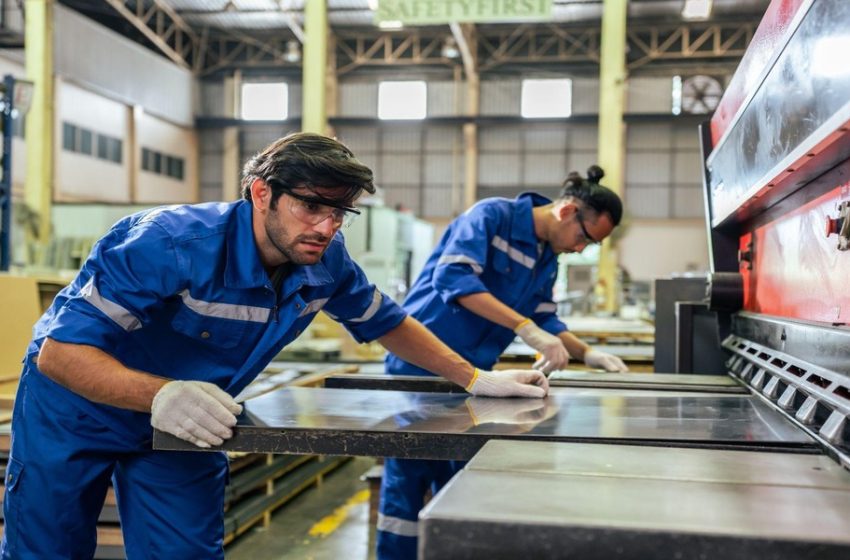
Metal fabrication involves a range of processes that shape, cut, and assemble metal into finished products. While the methods may vary depending on the application, the goal remains the same: producing accurate, durable, and high-quality components.
One of the most widely used techniques is cutting. Advanced technologies such as laser cutting and CNC machining allow manufacturers to achieve precise dimensions with minimal material waste. These methods are particularly useful when producing complex components for industries that demand tight tolerances.
Forming is another essential process. Through bending, rolling, and stamping, metal sheets can be shaped into specific geometries without compromising structural integrity. The process is somewhat like folding paper into a precise design, except the material is significantly stronger and the tolerances far more demanding.
Welding and assembly complete the fabrication journey. Components are joined together to create finished products that meet both functional and aesthetic requirements. Skilled workmanship remains important here because even the most advanced machinery still relies on experienced professionals to ensure quality outcomes.
For businesses looking for dependable metal fabrication in Singapore, access to these advanced capabilities can make a significant difference in production performance and product reliability.
Where Metal Fabrication Makes the Biggest Impact
Metal fabrication supports a surprisingly broad range of industries. In electronics manufacturing, precision metal enclosures and brackets help protect sensitive components. In medical technology, fabricated parts contribute to equipment that demands exceptional accuracy and cleanliness.
The semiconductor sector also depends heavily on fabricated metal components. As devices become smaller and more sophisticated, the need for precision-engineered parts continues to grow. Likewise, automation and robotics systems require custom metal structures that can withstand continuous operation.
Industrial machinery manufacturers benefit from fabricated frames, housings, and support structures that provide durability under demanding conditions. Even everyday products, from consumer electronics to transportation equipment, often contain fabricated metal parts working quietly behind the scenes.
The growing complexity of these industries has also increased demand for contract manufacturing in Singapore, where businesses can consolidate multiple production processes under a single trusted provider. This approach helps reduce supply chain challenges while maintaining quality consistency.
Why Integrated Manufacturing Solutions Matter
Manufacturing today is rarely about a single process. Products often require fabrication, machining, assembly, quality inspection, and logistics support before reaching the customer.
This is where integrated manufacturing services become valuable. Rather than coordinating several suppliers, companies can work with one partner capable of managing multiple stages of production. The result is smoother communication, shorter lead times, and improved operational efficiency.
Disc Precision Group offers both metal fabrication and manufacturing support services designed to meet the needs of modern industries. By combining advanced production capabilities with strict quality control, the company helps customers bring complex projects from concept to completion.
For organisations exploring contract manufacturing in Singapore, an integrated approach can also support scalability. Production volumes may increase or shift over time, and having a capable manufacturing partner allows businesses to adapt more effectively without sacrificing quality.
Conclusion
Metal fabrication remains a cornerstone of industrial manufacturing. Through techniques such as cutting, forming, welding, and assembly, manufacturers can create precise and durable components that power countless products and systems.
As industries continue to evolve, the demand for high-quality metal fabrication in Singapore and reliable contract manufacturing services in Singapore is expected to grow. Businesses that partner with experienced manufacturing specialists gain access to technical expertise, advanced equipment, and streamlined production support that can strengthen their competitive position.
For customised metal fabrication and manufacturing solutions tailored to industrial requirements, contact Disc Precision Group – Singapore today.
