
The Easy Steps To Reduce Your Gas Usage At Home
- Business
Irene Snipes
- 0
- 9 minutes read
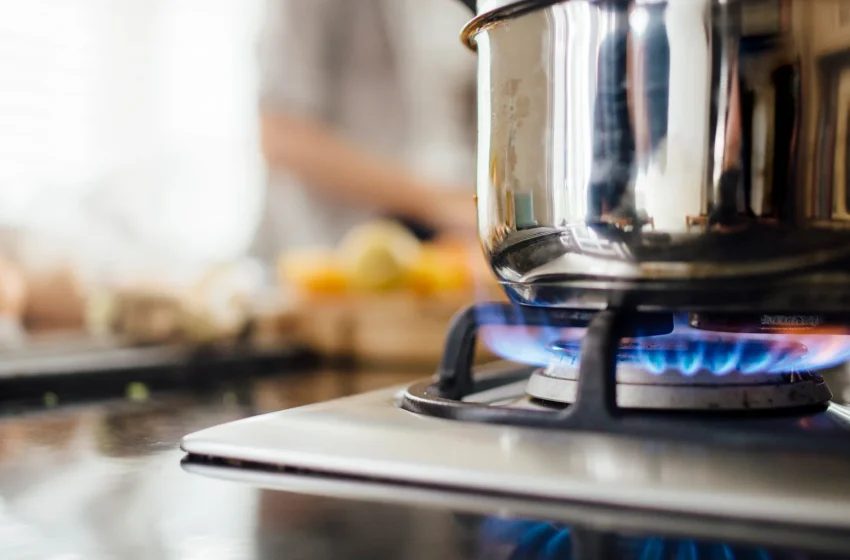
Managing household expenses can be a headache for those saving, especially when energy costs are rising. One of the most common concerns for families is the monthly gas bill, which can easily increase if gas use is not monitored. Finding the reasons why gas usage became higher can help. Homeowners learn simple ways to control it, which can help save money while making their homes more energy-efficient.
Reasons why gas usage keeps increasing
There are many reasons why gas expenses at home continue to grow. Here are some of the most common causes:
- Poor insulation. Homes without proper insulation lose heat faster. Heaters and boilers work harder, consuming more gas.
- Old or inefficient appliances. Using outdated appliances can cause higher energy use compared to energy-saving models. Check your outdated appliances, and it is time to replace them with the new models, such as:
- gas stoves
- water heaters
- central heating systems
- Leaking pipes or fittings. There are issues that you must find out about, as they can be dangerous even if it is small, such as:
- gas leaks
- waste energy
- Overuse of heating. Keeping the heating system on for longer than needed or setting the thermostat too high leads to higher consumption.
- Seasonal changes. Gas usage naturally goes up due to heating needs in cold months.
Homeowners can start planning ways to control gas use by identifying these causes.
Easy steps to lessen gas usage
The good news is that reducing gas use at home does not always require expensive upgrades. Families can enjoy lower energy costs through small adjustments and better habits. Here are some effective steps:
Improve home insulation
Adding insulation keeps heat inside the house in areas:
- walls
- ceilings
- floors
Even simple measures such as sealing gaps around windows and doors can prevent warm air from escaping. It means your heater will not need to work as hard, which reduces gas use.
Use your thermostat wisely
Set your thermostat at a comfortable and non-excessive level. Many experts suggest keeping around 18–20°C during the day. Do it when people are home and lower it slightly at night. A programmable thermostat can automatically adjust the temperature, ensuring no energy is wasted when you are out of the house.
Upgrade to energy-efficient appliances
Replace your appliances that are more than 10 years old with modern, energy-saving models. New gas heaters and boilers are designed to use less fuel, while providing the same comfort. Over time, the savings on energy bills will make up for the investment.
Maintain your heating system
Checked regularly by a professional for the following:
- boiler
- furnace
- gas heater
A well-maintained system works more efficiently and is less likely to waste gas. Cleaning filters and checking for leaks improves their performance.
Cook smarter
Gas stoves consume energy quickly, but simple habits can help reduce usage. Here are the tips to cook smartly:
- Use the right size of pan for your burners
- Keep lids on pots to trap heat
- Avoid leaving the flame on unnecessarily
If you boil water often, consider using an electric kettle, which may be more efficient.
Take shorter showers
Hot water contributes to huge gas consumption. You can save water and gas by:
- reducing shower time
- lowering the water temperature slightly
- installing low-flow showerheads
Monitor your gas usage
Keep track of your monthly consumption. You can identify if certain habits are causing a sudden increase in gas use by checking patterns. Smart meters can also give you real-time updates on your energy spending.
Conclusion
Gas is an important part of everyday living, but unnecessary usage can make household costs rise quickly. Understanding the common reasons behind high consumption and applying simple changes to control their energy use. These easy steps lower bills and create a more comfortable and efficient home.
